Marine ecosystem-based management
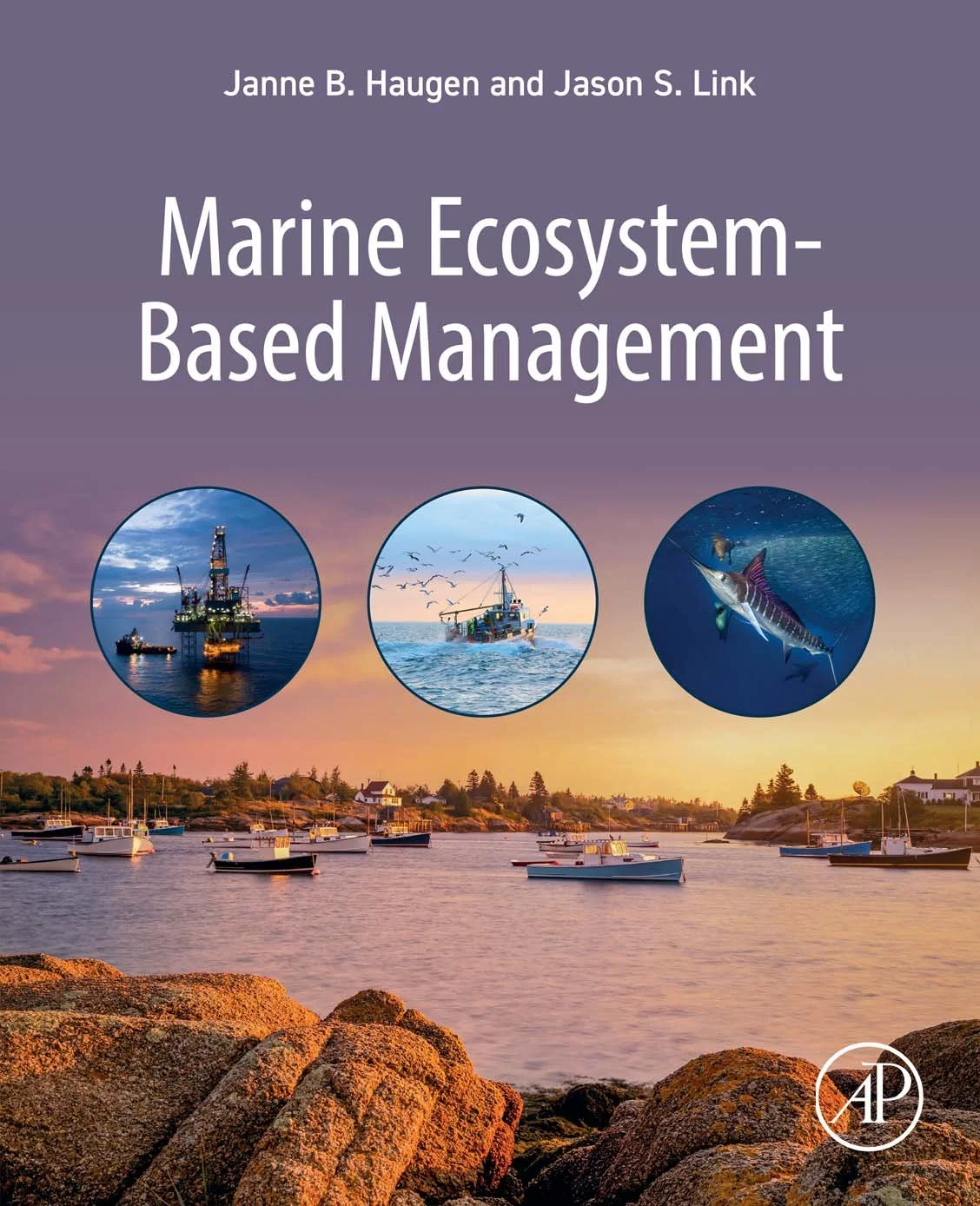
“How to catch fish, preserve habitat, conserve other critters, derive energy, avoid too much bad stuff, have lots of tourists, utilize the ocean, make a buck, and keep people happy all at once.”
— Haugen and Link 2025 Marine Ecosystem-Based Management.
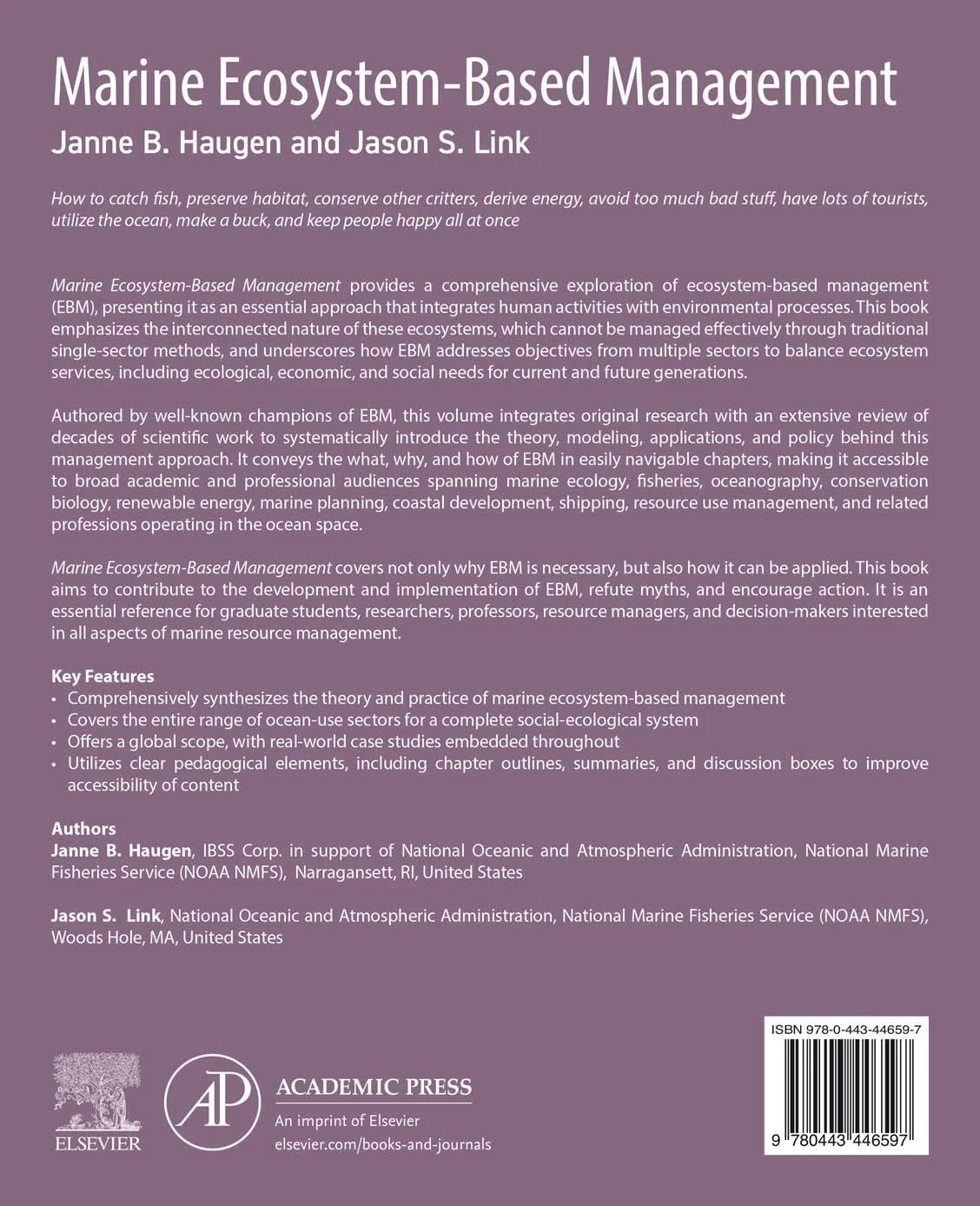
So What?
“The oceans are dynamic and complex ecosystems with myriads of users. These marine ecosystems and their associated ocean-use sectors provide opportunities for economic growth and human wellbeing, but increased uses of the marine environment are also contributing to increased conflict levels if continued to be managed in the current single-sector, single-issue way. These challenges can be overcome. There is no standard method or recipe for multiocean use conflict management that deals with cross-discipline, cross- jurisdiction, cross-sector considerations on a global scale, but the overarching approach to address them is EBM. To fully unlock the full potential of the oceans, and deal with tradeoffs and conflicts, executing EBM is the best means to do so.
This book covers not only why we need to do EBM, but also how we can do it. We have seen the same ideas, concepts, and agreements on EBM in the literature and in political meetings for the last 20 years, and although there is progress in implementing EBM, we are not seeing as much progress as anticipated early on, nor is it occurring at a rate as fast as it needs to be (Haugen et al., 2024). With this book, we aim to contribute to the development and implementation of EBM, refute myths, and encourage action. We will show what the bare minimum is to start EBM, highlight successful approaches, and present solutions to impediments. One takeaway message is that it does not matter where or how you start EBM, as long as you start. There is an urgency to EBM and we cannot afford to wait any longer.
This book is sectioned into three parts; Chapters 2–5 cover the basic fundamentals of EBM, ecosystem components, ocean-use sectors, BAU management, governance, and interactions therein. Chapters 6–9 focus on where we are with EBM in terms of data uses, assessments, models, and performance measures. The last section of the book, Chapters 10–11 is about communicating EBM, marketing strategies, how to implement EBM, what challenges are left, and what the future of EBM looks like. We hope that through this book we can demonstrate the importance of EBM in achieving sustainable use of marine resources while exploring new opportunities and maintaining the resilience and functionality of marine ecosystems for future generations. EBM is an indispensable tool in addressing the multifaceted challenges that our oceans face and serves as a catalyst for achieving sustainable development and long-term environmental, social, and economic prosperity. And, most importantly, we hope to convey that we have the data, tools, and understanding that is needed to start doing it now, as the need for active, comprehensive, and operationalized implementation of EBM is clear (Link and Browman, 2017; Stephenson et al., 2021; Dickey-Collas et al., 2022; Haugen et al., 2024).”
— Excerpt from Haugen and Link 2025 Marine Ecosystem-Based Management, Chapter 1.
These are not affiliate links. The authors do not receive royalties or other compensation from any book sales.Chapters
The multi-multi conundrum of EBM: Sectors, pressures, and ecosystem components
What data and information do we have, and what do we need for EBM
Performance measures and decision criteria
Communicating and marketing EBM
Overcoming impediments to implementing EBM and future outlooks
The online version of the book is freely available through Scopus/Elsevier. If your institution does not subscribe to Elsevier, and you are facing financial difficulties but would still like to read the book, please contact me for a solution.